The greenest building is the one that is already built. Half the buildings built by 2050 already exist and retrofitting them is key to achieve decarbonization targets.
About Us
Founded in 2024, Enovus is a boutique mechanical engineering firm dedicated to decarbonizing the built environment through innovative, energy-efficient solutions.
As passionate nature enthusiasts, we’re driven to create a sustainable future, preserving the planet for future generations to enjoy the outdoors. Our philosophy is to design mechanical building systems that provide happier, healthier buildings, enhancing occupant comfort and well-being. With a nimble, flexible work structure, we keep overhead low, offering cost-effective, high-quality services without compromising innovation.
We specialize in designing efficient mechanical building systems while prioritizing simplicity to ensure building operators and clients can easily understand and manage systems post-construction. Our vision includes tracking post-project carbon reductions to quantify our impact, ensuring measurable contributions to a low-carbon future. Whether retrofitting aging systems, designing for new construction, or providing expert consulting, Enovus partners with clients to achieve their sustainability and performance goals.
What We Do

Reports and Studies
Unsure of where to start? Enovus can assist by offering tailored studies and investigations aligned with your project objectives, whether you aim to reduce energy consumption, lower carbon emissions, or upgrade existing equipment. The different types of studies are outlined below.
These studies are tailored for building owners seeking to minimize energy consumption across their buildings or portfolio. Beginning with a thorough examination of existing mechanical and electrical systems, we identify Energy Conservation Measures (ECMs) that can effectively reduce overall energy usage.
These studies are aimed at building owners seeking to minimize their overall greenhouse gas (GHG) emissions, whether at the portfolio or building level. Beginning with a comprehensive review of existing mechanical and electrical building systems, we identify Carbon Reduction Measures (CRMs) that can be implemented to decrease GHG emissions.
Are you worried about the current state of your building systems? Our assessment will thoroughly review your existing mechanical and electrical systems, providing a detailed report on their condition and expected service life.
Did you know? Utilities such as BC Hydro and Fortis BC offer funding for eligible studies and subsequent project implementations. With in-depth knowledge of the various funding streams available, we actively engage with participating organizations to stay informed and updated on the various options offered.
Mechanical Engineering
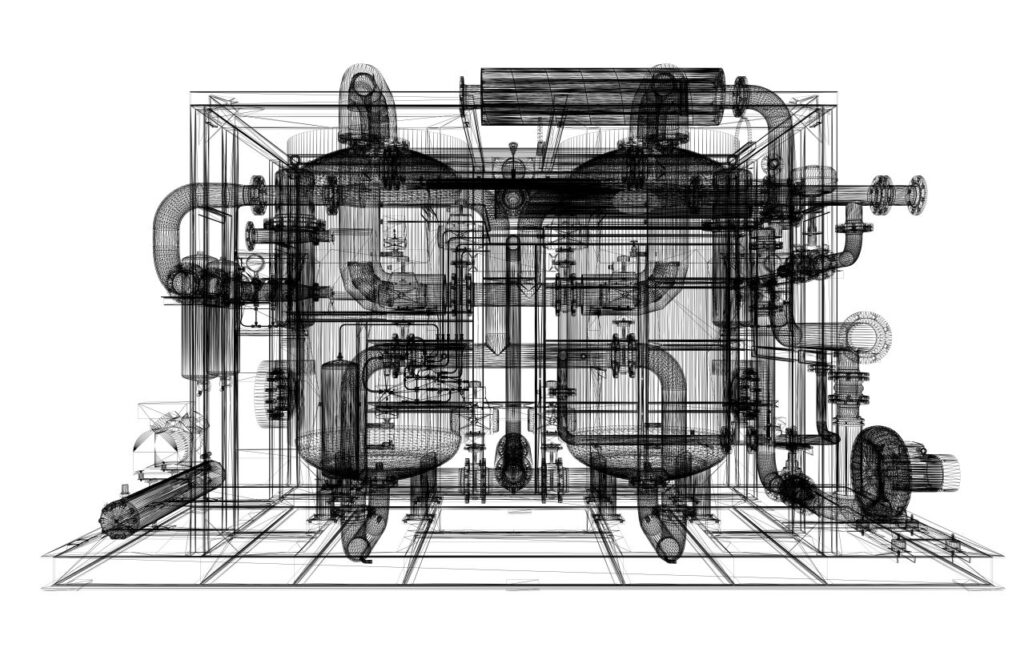
As engineers, we acknowledge a common tendency to overcomplicate designs in our quest to solve world problems. However, we’ve come to understand that building owners and operators value simplicity and ease of maintenance. Therefore, we prioritize a straightforward approach in our designs, ensuring they remain easily comprehensible without compromising on quality or efficiency. We have the technical expertise to design all aspects of mechanical building systems including, but not limited to, the systems listed below:
– Air Handling Units
– Rooftop Units
– Energy and Heat Recovery Ventilators
– Commercial Kitchen Exhaust
– Duct Distribution Systems
– Terminal Devices
– Boilers
– Chillers
– Heat pumps
– Heat Recovery Systems
– Hydronic Pumping Solutions
– Cooling Towers, Fluid Coolers, Dry Coolers
– Radiant Heating and Cooling Systems
– Water Source VRF Systems
– Air Source VRF Systems
– Domestic Hot Water Generation
– Facility Domestic Water Services
– Facility Sewage and Storm Water Services
Controls serve as the beating heart of any mechanical plant, yet they are often overlooked during the design phase. Our team recognizes the critical role of controls in every system and understands the importance of seamless communication among all components for optimal efficiency.
Project Types
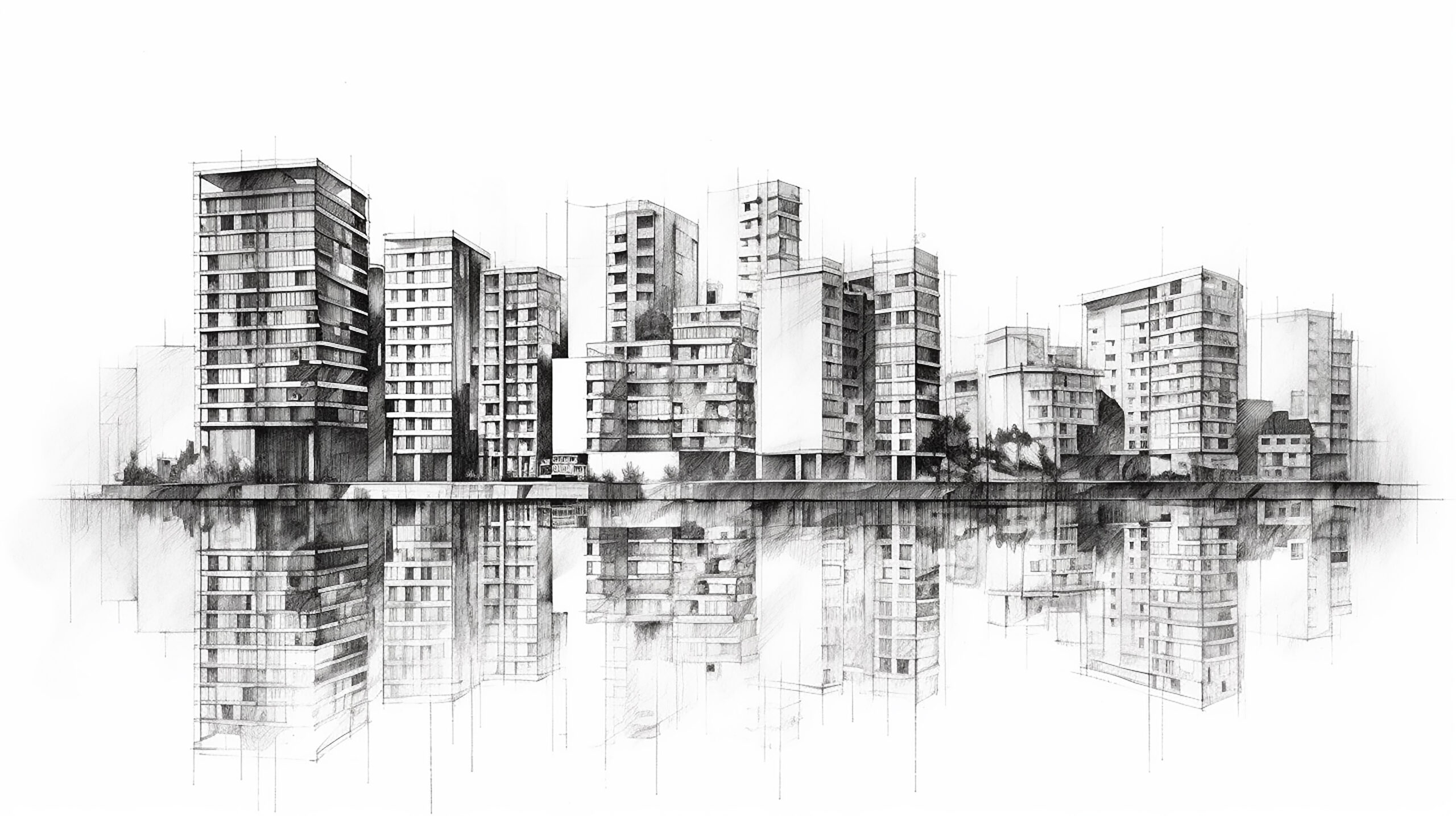
We have experience implementing projects in a variety of sectors and building types such as commercial, residential, institutional, and industrial. Decarbonizing and retrofitting existing buildings are our passion, but we are no strangers to new construction projects. We have the expertise to manage all stages of a project’s lifecycle from conception, through detailed design, construction, and commissioning. Typical project types include the following:
Do you have an existing gas-guzzling or energy-intensive mechanical plant and are seeking a greener, more efficient alternative? These are the projects that ignite our excitement. Typically initiated after a decarbonization or energy study, these projects involve replacing the existing mechanical plant with equipment specifically designed to achieve significant reductions in greenhouse gas emissions, energy usage, or both.
These projects are tailored for existing buildings aiming to upgrade, expand, or replace any of their current mechanical systems.
Typical upgrades include the following:
– Boiler Replacements
– Chiller Replacements
– Cooling Tower Replacements
– Building Re-Pipe (Hydronic and Domestic)
– Domestic Hot Water Plant Replacements
These projects are new buildings being built. Usually led by an Architect, we can provide the mechanical engineering services starting at the rezoning stage and carry it through all the way to construction.
Tenant Improvement (TI) projects encompass the provision of mechanical services for new tenants occupying a space within a larger commercial building. These projects commonly involve offices, restaurants, or retail spaces. Mechanical equipment selected for the tenant usually ties into the base building mechanical plant.
As the base building mechanical engineers, building owners can trust that we understand all the intricacies of its mechanical systems. Building systems can often be complex. Engineers working on tenant improvement projects may lack the background information or context needed for the building’s mechanical systems. This gap could lead to inefficient project implementation that doesn’t align with the overall building mechanical strategy. We bridge this divide, ensuring seamless integration of new projects and optimal efficiency in existing base building mechanical services.